
A pipeline failure is not a project setback. It is a safety event, an environmental
incident, a regulatory investigation, and a reputational crisis, often simultaneously,
and often in a location that is remote, difficult to access, and politically sensitive.
The technical disciplines that prevent that failure, intelligent pigging, cathodic
protection monitoring, above-ground surveying, corrosion coupon analysis, pressure
testing, and valve and fitting inspection, are not occasional activities. They are
a structured, scheduled, documented integrity management programme that must be
executed to a known standard and recorded in a form that can withstand regulatory
scrutiny, insurance audit, and the post-incident investigation that follows any
significant release, however small.
QBaticEPM3 gives upstream operators, midstream pipeline companies, downstream
refinery and terminal owners, and the EPC contractors and specialist integrity
service providers that work across the sector a single platform to manage the
full asset lifecycle, from the detailed cost estimate and construction programme
that delivers a new pipeline or facility on time and within the capital budget,
through to the integrity management regime and corrective maintenance programme
that keeps the asset operating safely, in compliance, and at maximum
throughput capacity for the full operating life.
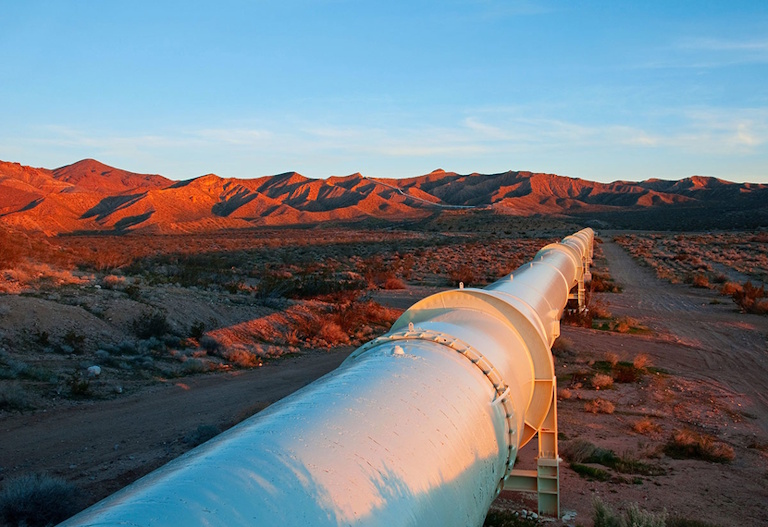
From the first weld procedure qualification through to an anomaly management work order raised against a specific pipe joint twenty years after commissioning, every cost, every inspection, and every integrity decision connected in one record that never loses what it has been told.
Request a DemoEPC Cost Estimation
Detailed capital cost models for pipelines, compressor and pump stations, metering facilities, terminals, and processing plant, structured for lender submissions, FEED deliverables, and contract award.
Construction & Commissioning
Multi-discipline programme delivery across pipeline spreads, facility construction, hydrostatic testing, and pre-commissioning, with weld traceability, quality records, and full asset registration at first flow.
Integrity Management & Maintenance
Structured pipeline integrity programmes, rotating equiEPMnt maintenance, statutory inspection scheduling, anomaly management, and forward capital cost planning across the full operating life.
Capital Estimate. Construction Record.
Integrity Programme.
Three integrated capabilities built around the realities of oil and gas infrastructure, where cost discipline wins the contract, construction traceability protects the asset, and the integrity programme is the difference between safe operation and a notifiable incident.
Capital Cost Models for Oil & Gas Facilities
Build the full EPC cost estimate from an oil and gas component library, pipeline route preparation and grading, trench excavation and padding, pipe supply by diameter, wall thickness and material grade, field joint coating, welding, non-destructive examination, hydrostatic testing, cathodic protection installation, above-ground marker posts and valve installations, pig launchers and receivers, metering skids, compressor and pump station civils and mechanical works, and control and instrumentation packages. Multi-currency cost models reflect both local construction activity and imported equiEPMnt supply chains, giving the lender, the JV partner, and the internal investment committee a capital cost estimate that is structured, traceable, and defensible at every line item.
Multi-Spread Programme with Full Weld Traceability
Long-distance pipeline projects are delivered across multiple construction spreads working simultaneously, civil preparation, welding, lowering-in, backfill, and reinstatement progressing in parallel along separate sections of the route. QBaticEPM3 holds every spread in one programme view, tracks daily joint completion against the approved production rate, and manages the weld traceability record, welder qualification, joint number, NDT method, inspection result, and repair history, from first weld to hydrotest acceptance. At commissioning, the full weld log and quality dossier are already in the system, ready for handover to the integrity management team that will reference them for the life of the pipeline.
Structured Pipeline Integrity Management
Pipeline integrity is not a single inspection event. It is a continuously updated knowledge base about the condition of every metre of pipe in the ground. Inline inspection runs, direct assessment programmes, cathodic protection monitoring, above-ground surveys, and coating condition assessments all generate data that must be managed against the specific pipe joint it describes, trended over time, and acted upon within the anomaly management timeframes that the pipeline code and the operator's own safety management system require. QBaticEPM3 structures this data against the asset register so that every anomaly has a work order, every work order has a resolution, and every resolution is traceable to the inspection that identified the need.
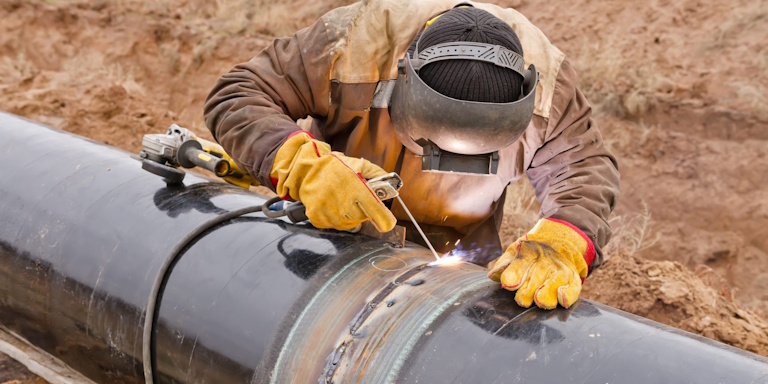 Pipeline Construction & NDT
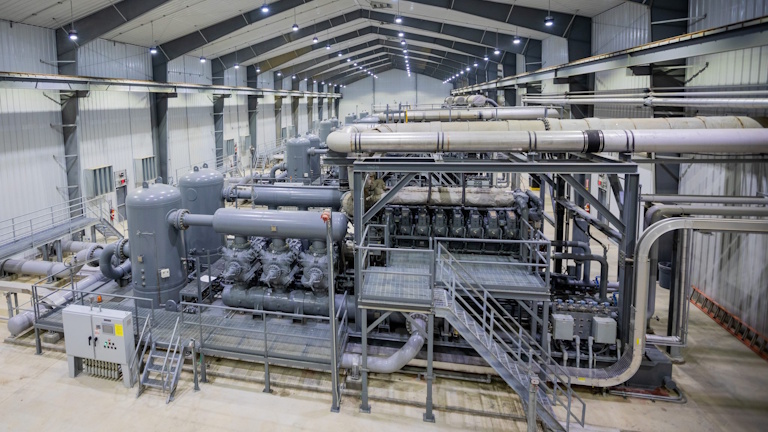 Facility & Station Works
 Integrity & Inspection
Every Anomaly Managed. Every Inspection Recorded. Every Asset Traceable From First Weld.
-
01
Pipeline Asset Register With Weld and Joint Traceability
QBaticEPM3 registers the pipeline as a series of discrete pipe joints, each identified by its kilometre post reference, joint number, pipe specification, wall thickness, grade, seam type, and field joint coating detail. The weld record, welder ID, welding procedure specification, NDT results, any repair history, and radiograph or ultrasonic scan reference, is attached to each joint from the construction phase. When the inline inspection tool identifies a metal loss anomaly at a specific kilometre post, the system can immediately surface the original pipe specification, wall thickness, and construction-era inspection records for that exact joint, without a manual search through archival records that may not have survived intact.
-
02
Inline Inspection Programme Management
Intelligent pigging campaigns are planned and scheduled within QBaticEPM3 against the relevant pipeline sections, tool type, inspection date, contractor, and acceptance criteria all recorded against the pipeline run. When the vendor delivers the inspection report, anomalies are loaded into the system and assigned severity classifications and remediation timeframes in accordance with the applicable pipeline code, whether ASME B31.8, PHMSA regulations, or the operator's own integrity management standard. Each anomaly becomes a tracked work item with a due date, a responsible engineer, and a required resolution record. Nothing is stored as a PDF in a shared drive that no one can find three years later when the next run is being planned.
-
03
Cathodic Protection Monitoring & Rectifier Management
Cathodic protection is the primary defence against external corrosion on buried pipelines, and its effectiveness must be demonstrated at regular intervals through pipe-to-soil potential surveys, rectifier output monitoring, and test post reading campaigns. QBaticEPM3 schedules the full cathodic protection surveillance programme against the pipeline asset register, captures each reading at its specific test post location, and trends the protection levels over time against the regulatory criterion. Sections where protection levels are declining receive corrective attention, rectifier output adjustment, anode replacement, or interference investigation, before the protection criterion is breached and corrosion risk is elevated.
-
04
Rotating EquiEPMnt & Facility Maintenance
Compressor trains, pump units, gas turbines, heat exchangers, pressure vessels, and safety relief valves all carry statutory inspection requirements and manufacturer-specified service intervals that form part of the safety case for the facility. QBaticEPM3 generates the preventive maintenance schedule from the asset register and running hour counters, raises work orders to the appropriate maintenance discipline, and records the outcome of every inspection and service against the specific equiEPMnt tag. Statutory inspection certificates, pressure vessel re-certification records, and relief valve test results are stored against the equiEPMnt they relate to, not in a lever-arch file that exists in one location and can be lost in a site office clear-out.
-
05
Regulatory Compliance, Incident Management & Audit Readiness
Petroleum pipeline regulations, process safety management standards, environmental permit conditions, and operating licence obligations generate a continuous compliance record that the operator must be able to demonstrate on request. QBaticEPM3 structures the compliance calendar against the regulatory framework, inspection intervals, reportable event notifications, annual safety review submissions, and environmental monitoring reports, so that obligations are met proactively rather than recovered under regulator pressure. When an incident occurs, the complete asset history, maintenance record, and integrity data for the affected section are available within minutes, supporting the investigation process and demonstrating the operator's due diligence rather than compromising it.
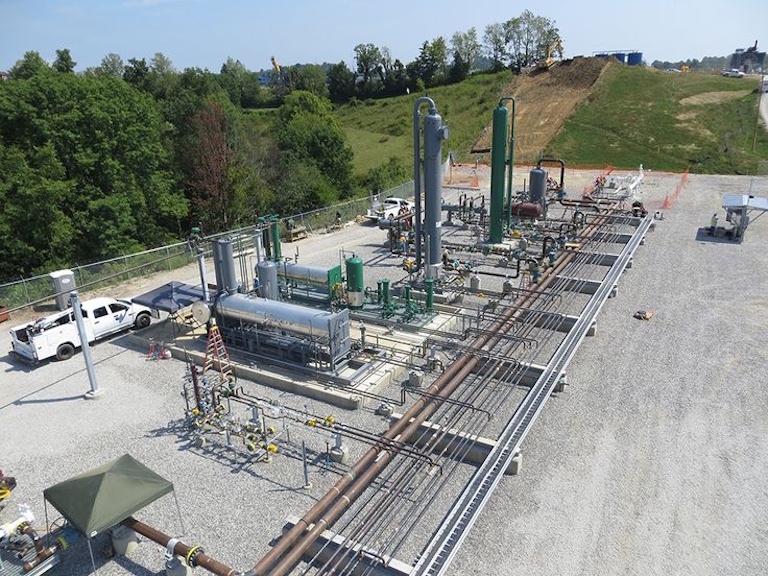
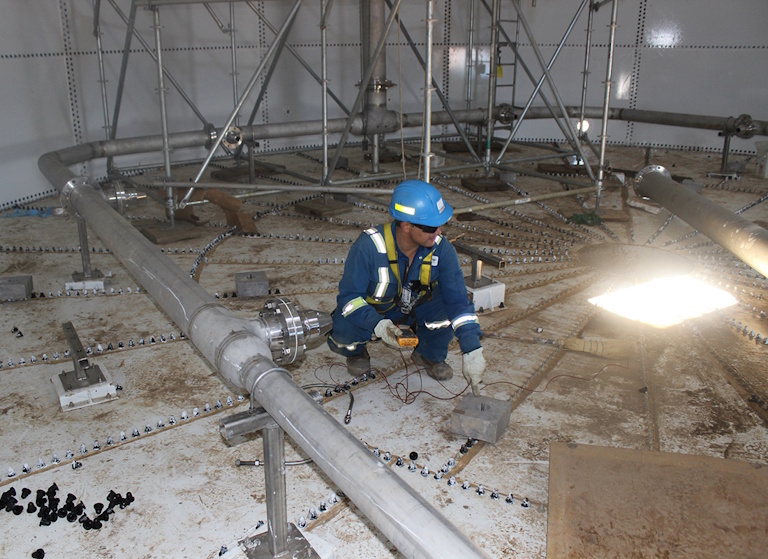
Safe Pipelines. Continuous Throughput. Regulatory Confidence.
The cost of a pipeline integrity programme, properly managed, is a small fraction of the cost of a single significant release event, in direct remediation, in regulatory sanction, in production downtime, and in the litigation that follows when the post-incident investigation identifies that inspection data existed, anomaly management timeframes were known, and the corrective action was deferred because no one had a clear picture of what was outstanding and when it was due.
QBaticEPM3 eliminates that deferral risk. Every anomaly has an owner and a due date. Every inspection campaign generates a work list that is actively managed, not filed. Every maintenance interval is tracked against the equiEPMnt that needs it, not discovered when the service engineer arrives and checks the last-service sticker. Operators and their integrity teams work from the same current picture of the asset, with every cost, every inspection outcome, and every remediation decision visible, traceable, and defensible.
See the Platform in Action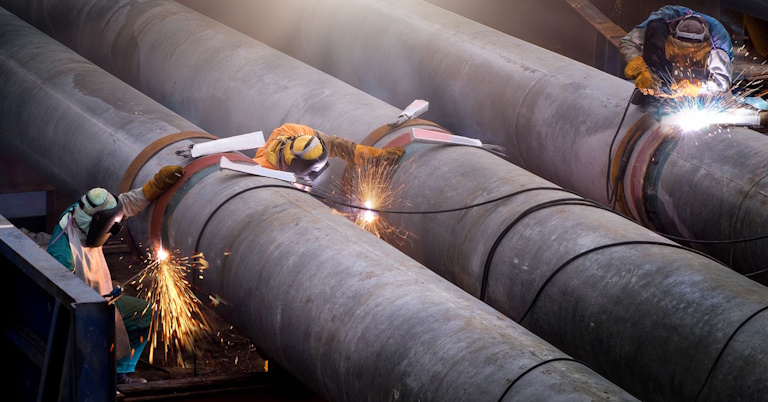
Pipelines That Flow.
Assets That Stay Fit for Service.
Ready to manage every weld, every anomaly,
and every inspection in one place?
Let QBaticEPM3 connect your EPC cost models, your construction weld records, and your integrity management programme, so every kilometre of pipeline is governed from a single, complete, and always current record that protects both the asset and the operator.