Q B A T I C
What this is

An anonymised snapshot of a working portfolio that lives inside QBaticEPM3 today: a Southern African engineering consultancy delivering transmission, substation and renewable-energy projects across most of the continent and beyond.

The numbers below come straight out of the platform. Counts, distances, voltage classes, lifecycle phases, project types. Nothing has been padded or projected. Customer names, project names and cost figures have been removed for confidentiality. What remains is the shape of the portfolio: how big it is, how spread out it is, and how it moves through the lifecycle gates the platform tracks.

Snapshot taken from a single live tenant. One company, one platform, seven years of continuous capture.

01 · PROJECTS
145

Project records on the books

Each one held as a single record from initial estimate through to final approval, with cost, schedule and engineering data unified.

02 · COUNTRIES
14

Delivery locations

Projects executed across Southern Africa, East Africa, Central Africa and design-mandates into Europe, Asia and North America.

03 · SCALE
2,800+

Kilometres of line

Cumulative overhead transmission and distribution line designed, costed or under construction. Distance booked at the project record.

04 · RANGE
11kV

to 400kV

Distribution through extra-high-voltage transmission, all in one platform with one cost model. No separate tools by voltage class.

Where the portfolio sits today

Every project lives somewhere in three lifecycle phases.

QBaticEPM3 tracks the position of every record across the same three operational stages, with four formal approval gates between them. The split below is what the platform actually shows for this tenant on the day of the snapshot.

PHASE 01
20
Records in this phase

Estimating

Early-stage opportunities where the engineering scope is still firming up and the cost build is being assembled. Some will progress to formal tender, some will be parked, and the platform keeps both as searchable records either way.

  • Rate library pulled from prior, similar projects
  • Voltage class and line length set early
  • Cost build under iteration, not yet committed
  • No approval gates passed
PHASE 02
85
Records in this phase

Tendered & In Design

The bulk of the portfolio. Formal tender submitted or detailed design work under way against a contracted scope. Cost build approved, sell-side rates committed, customer record locked, terms and disclaimers attached.

  • Build approval signed off
  • Material, labour, equiEPMnt cost lines committed
  • Quotation terms and disclaimer locked to the record
  • Awaiting customer award or progressing to construction
PHASE 03
40
Records in this phase

In Construction & Delivered

Active builds and projects fully delivered. Costing approval passed, tender approval passed, and in many cases actual cost has been signed off against the budget. The full audit trail on these records is intact and queryable.

  • Costing approval and tender approval passed
  • Actual-vs-budget reconciliation under way or complete
  • Construction materials issued against the BOQ
  • Maintenance hand-back data starting to accumulate
Cross-border transmission corridor at scale
A flagship record

One cross-border corridor, four sub-projects, one continuous record.

Inside this tenant sits a 330kV cross-border transmission corridor running roughly 510 kilometres across two countries, broken into four contractual sections. Section A covers the long line out from the hub substation, sections B and C handle the switching-station tie-ins, and section D brings the corridor into the destination yard.

The platform holds it as one connected programme, not four separate spreadsheets. Each section has its own cost build, its own approval timeline, its own engineering parameters. But the rate library, the supplier records, the pole-and-conductor catalogue, the budget framework: all shared, all reused, all version-controlled across the four.

When section A's costing was signed off, section D's estimate already had the benefit of those numbers. When a tower-design change came through on section B, sections A and C inherited the engineering note without anyone having to email it around. That is what consolidating the stack actually buys: not a shinier dashboard, but the absence of the work that used to happen between dashboards.

Programme at a glance
510 km
Total corridor length
330 kV
Operating voltage
4
Contractual sections
2022–24
Peak active period

The structural facts behind the headline numbers.

A portfolio of this scale doesn't happen by accident. It happens because the same platform keeps holding the work, year after year, as the team builds out and the project mix changes.

41
Counterparty Organisations

National utilities, EPC contractors, IPP developers, OEMs, consulting engineers and asset owners. Each one held with terms and disclaimer attached.

7yrs
Continuous Capture Window

Earliest record in this tenant predates 2020. Latest activity is current. No gaps, no migrations, no rebuilds. One platform throughout.

4
Approval Gates Per Project

Build, costing, tender and actual. Each gate signed by a named user against a timestamp. The audit trail is built during the work, not after it.

1
Platform Holding All Of It

No separate estimating tool. No separate project tracker. No separate maintenance system. One data model, end to end, since the first record.

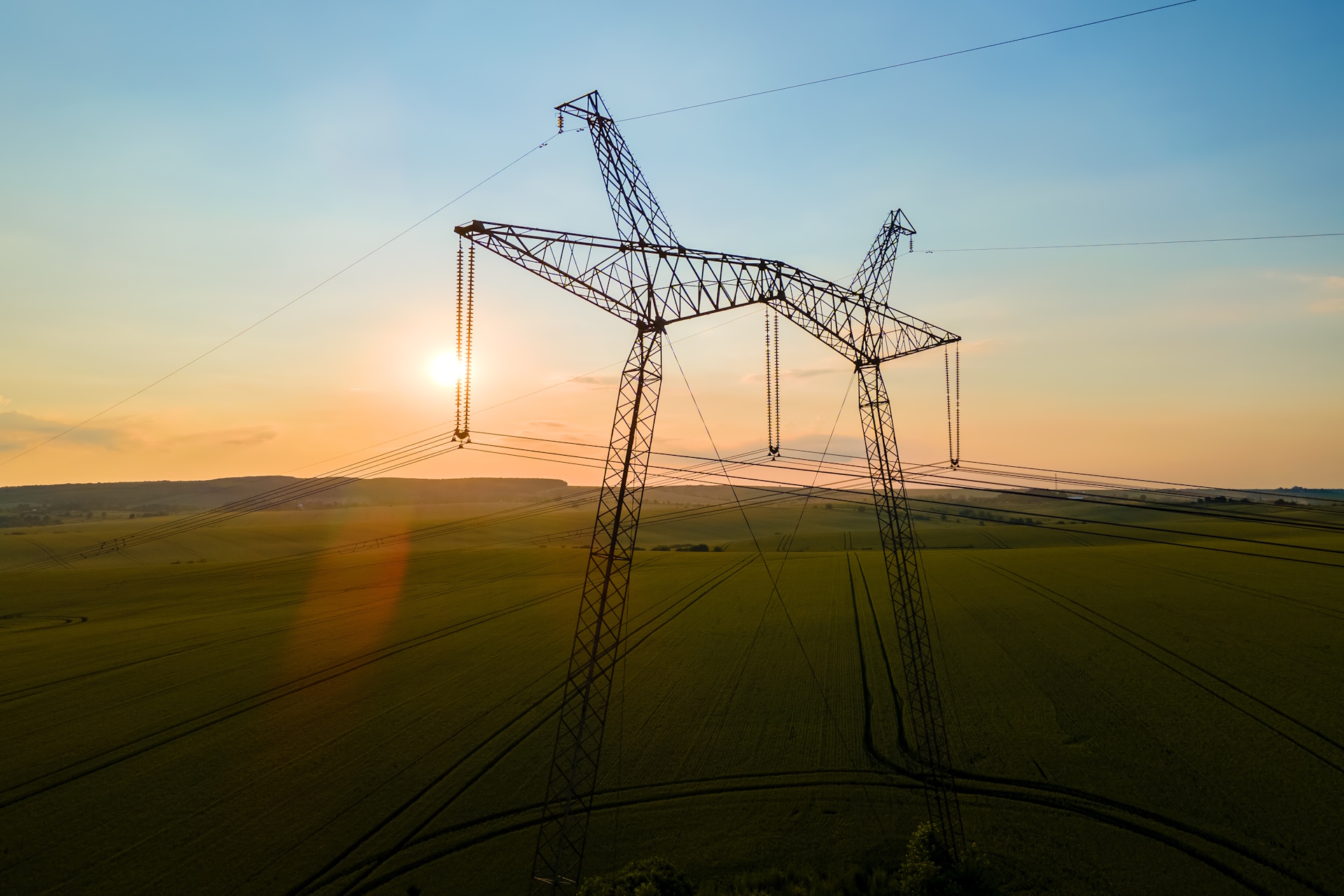
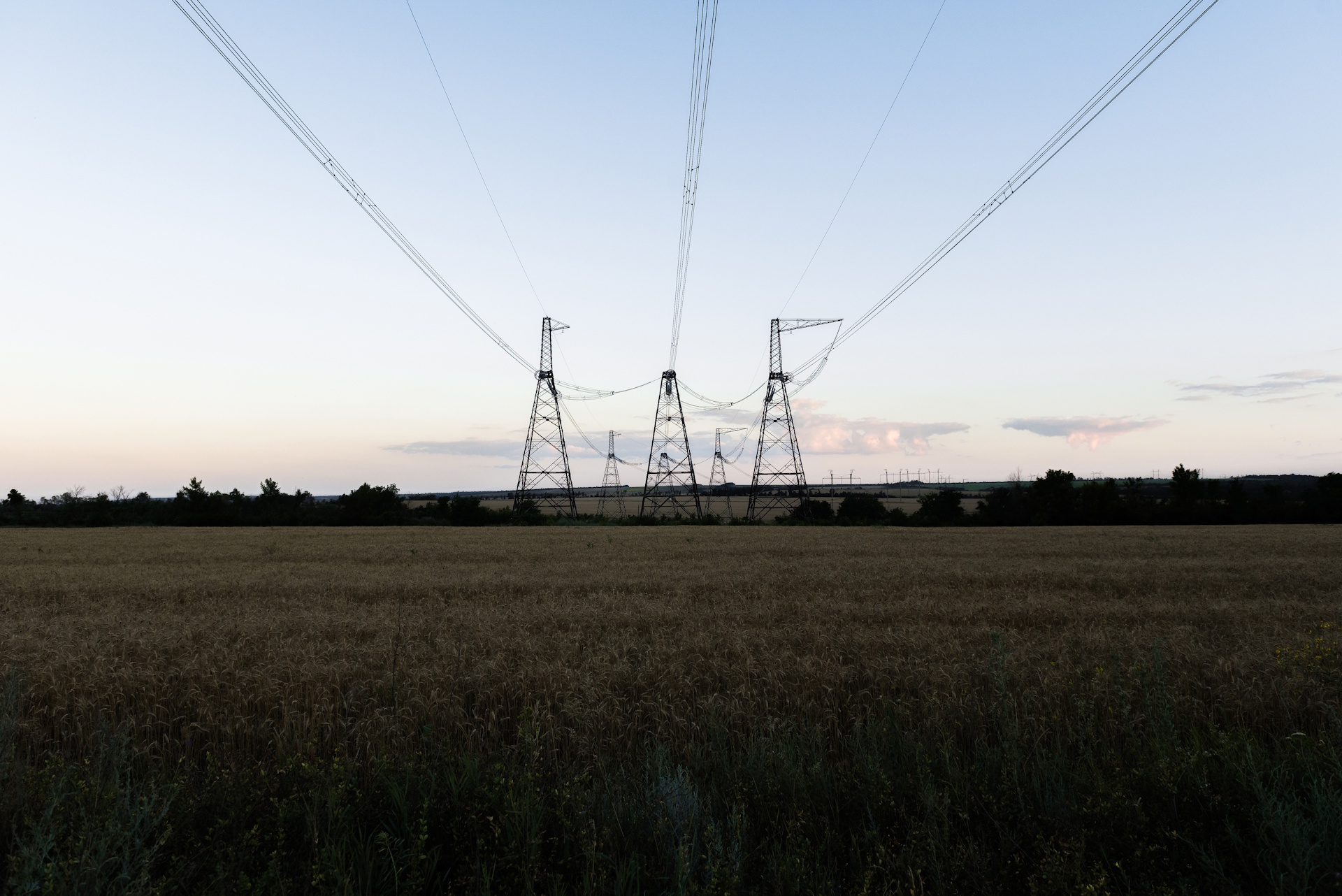
Transmission corridor across the landscape

From the Atlantic coast to the Indian Ocean, every cost code on every project traces back to source.

Who the work is for

The 41 counterparties group into three working clusters.

The platform doesn't impose categories. They emerge from the actual work. Each cluster uses QBaticEPM3 differently, but they all sit on the same data model, which is what makes the portfolio queryable as one thing.

CLUSTER 01
~30%
of project records

National utilities & municipal authorities

State-owned transmission companies, municipal electricity departments, public infrastructure agencies. The work tends toward longer projects, multi-year approval cycles, formal tender processes and traceability requirements that come with public funding.

Long projects · formal tenders · audit-heavy
CLUSTER 02
~45%
of project records

EPC contractors & line builders

Construction companies, line-builders, substation builders, OEM contractors. Faster turnaround, more variations, more material reconciliation. The platform holds the BOQ, the construction-phase costs, the rate library, and the tender response in one record per job.

Build-phase · BOQ-driven · variation-heavy
CLUSTER 03
~25%
of project records

IPP developers & consulting engineers

Renewable-energy sponsors, IPP developers, consulting engineering practices. The work skews toward design fees, feasibility studies and early-stage cost estimation. Smaller cost builds individually, but the volume is high and the tendering frequency is significant.

Design-phase · feasibility · high tender volume

What the platform holds for every record.

  • 01

    Lifecycle position across four approval gates

    Build approval, costing approval, tender approval and actual approval. Each gate carries a named approver and a timestamp. You can ask the platform when any record passed any gate and get a real answer in seconds.

  • 02

    Cost build broken down by category

    Material, labour, equiEPMnt, supplier items and subcontractor items. Each category carries its own contingency percentage and amount. Sell-side rates sit alongside cost rates so margin is visible at the line item, not just at the total.

  • 03

    Engineering parameters held with the cost

    Voltage class, distance, conductor and structural family, consultant of record. The engineering facts and the cost numbers live in the same record, which is what makes the rate library reusable on the next similar project.

  • 04

    Bill imports and template-driven setup

    Where a project follows a known pattern, the platform spins up the BOQ structure from a template. Where it imports an external bill, the same record absorbs the import without losing the rest of its history.

  • 05

    Customer record with terms and disclaimer attached

    The customer of record carries its address, VAT registration, payment terms and quotation disclaimer with it. When the project goes out to the client, the document is built from the linked customer record. The terms don't drift from one quote to the next.

See it on your data

Ask us to set this up against your own portfolio.