
Railway infrastructure operates under a constraint that no other civil asset class shares
with quite the same intensity: almost every maintenance or construction activity requires
a possession, a controlled window during which a section of track is taken out of traffic
so that work can be safely performed. Possessions are negotiated with the train operator,
planned months in advance, and governed by safety rules that cannot be bent. A maintenance
team that arrives at a possession without the right materials, the right plant, or a
complete understanding of the work scope does not just waste a night shift. It wastes a
possession that may not be available again for six weeks.
QBaticEPM3 gives railway infrastructure owners, network operators, engineering contractors,
and the programme management organisations that oversee capital renewal programmes a single
structured environment to manage the full asset lifecycle, from the detailed cost estimate
that justifies a new line or station project through the construction programme that must
be delivered within defined possession windows, to the multi-disciplinary maintenance
regime that keeps track geometry, signalling systems, overhead line equiEPMnt, civil
structures, and drainage in the condition that safe, reliable train operations demand.
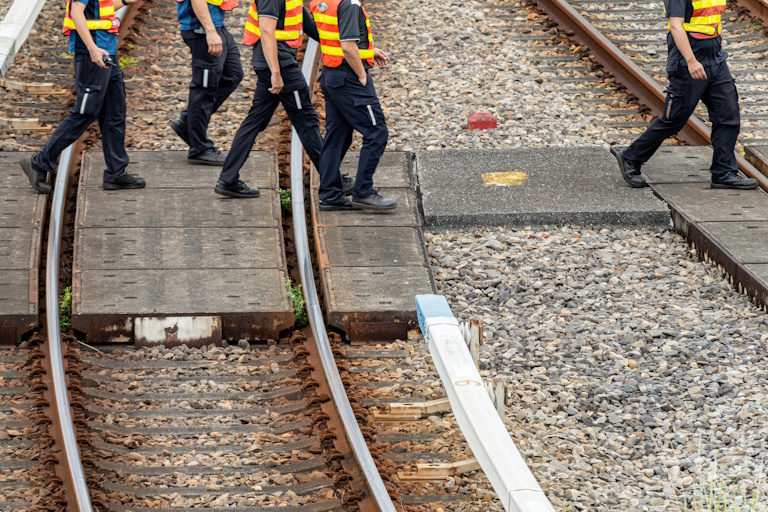
The cost model that wins the contract, the possession plan that delivers it safely, and the maintenance programme that keeps every discipline asset-fit, all connected in one environment, from first estimate to the final track renewal cycle.
Request a DemoProject Costing & Estimation
Railway-specific cost models covering trackwork, civils, structures, signalling, overhead line equiEPMnt, and stations, priced by route kilometre, possession window, and discipline.
Construction & Possession Management
Multi-discipline programme control within possession constraints, daily output tracking, resource deployment, hold-point management, and quality records against every installed asset.
Maintenance & Asset Renewals
Planned preventive, cyclic, and corrective maintenance managed by discipline across the full network, track geometry, signals, OHLE, civils, and drainage all governed from one platform.
Estimation. Possession.
Maintenance Programme.
Three integrated capabilities built around the realities of railway infrastructure, where every cost must be justified by asset condition, every programme activity must fit inside a possession window, and every maintenance decision has a direct consequence for operational safety and train service reliability.
Railway Infrastructure Cost Modelling
Build the full project or renewal programme estimate from a railway-specific component library, plain line track laying, switches and crossings, ballast renewal, formation rehabilitation, concrete sleeper supply and installation, rail welding, overhead line mast foundations and equiEPMnt, signalling equiEPMnt and cable routes, level crossing upgrades, station civils and platforms, drainage structures, and bridge assessments. Productivity rates are set by possession type, full line blockade versus short engineering possession, and by working method, so that the cost of achieving a programme output within possession constraints is explicit from the first estimate, not discovered when the programme overruns.
Possession-Constrained Programme Delivery
Every work activity in QBaticEPM3 can be linked to a specific possession window, its start time, the track section it protects, the safe system of work governing it, and the restoration milestone that must be met before traffic can be reinstated. Multi-discipline packages, permanent way, electrification, signalling, and civils, working concurrently in the same possession are co-ordinated in one programme view so that interface conflicts are identified in the planning stage rather than at the site boundary during the possession. Daily outputs are recorded against the planned quantities, and any shortfall triggers an immediate re-plan for the remaining possession nights before the completion date is affected.
Multi-Discipline Asset Maintenance
Railway infrastructure maintenance spans disciplines that each carry their own inspection frequencies, defect tolerances, intervention standards, and specialist workforce requirements. Track geometry, rail wear, sleeper condition, ballast fouling, switch and crossing wear, overhead line height and stagger, signal equiEPMnt condition, drainage blockage, and bridge structural assessment are each managed as structured maintenance programmes within QBaticEPM3, with work orders planned against the asset register, resources allocated to the possession windows, and all inspection and corrective outcomes recorded against the specific milepost or structure they relate to.
 Track Renewal & Ballast
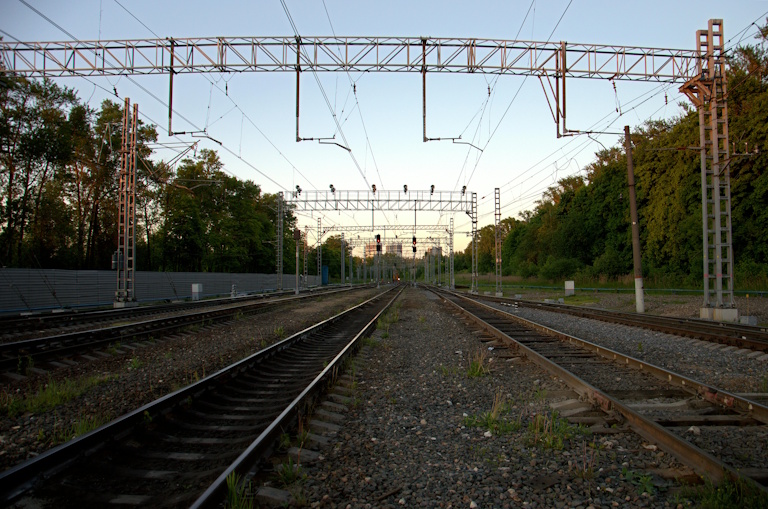 Signalling & OHLE
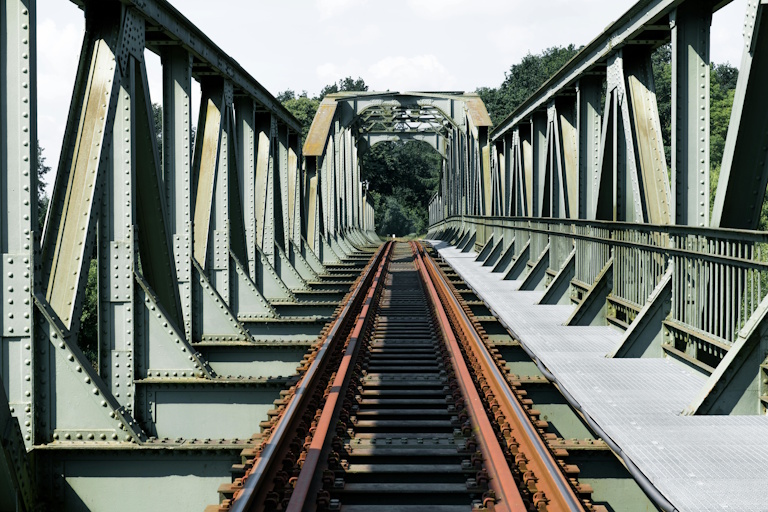 Structures & Civils
Every Discipline. Every Milepost. Every Maintenance Intervention, Recorded.
-
01
Asset Register by Discipline and Milepost
QBaticEPM3 builds the infrastructure asset register by route, line section, and milepost reference, each track panel, switch and crossing unit, overhead line mast, signal equiEPMnt case, level crossing, culvert, bridge, and drainage structure registered with its installation date, specification, and manufacturer data. Assets installed during construction or renewal projects are registered directly from the project data, eliminating the manual asset reconciliation exercise that typically follows a major renewal programme and produces an asset register that is already out of date by the time it is issued.
-
02
Track Geometry & Condition Monitoring Integration
Track geometry measurement car data, manual inspection records, rail wear readings, switch and crossing wear measurements, and ultrasonic rail flaw detection results are loaded against the relevant milepost records at each inspection cycle. The system tracks deterioration trends by line section and compares measured geometry against the intervention threshold relevant to the permitted line speed, identifying where the deterioration rate demands a maintenance response before the geometry reaches the speed restriction or emergency action threshold. Maintenance resources go to the sections that actually need them, prioritised by safety risk and condition severity rather than by route familiarity.
-
03
Possession-Linked Maintenance Work Orders
Every maintenance work order in QBaticEPM3 is planned against the possession window available for the relevant line section, whether a weekly engineering possession on a commuter route, a seasonal blockade on a freight corridor, or an emergency possession raised following a defect discovery. The work order specifies the gang size, the plant required, the materials to be pre-positioned, and the minimum output needed to clear the defect before traffic is reinstated. Completion of the work order closes the defect record, updates the asset condition, and triggers the next scheduled inspection, maintaining the maintenance cycle without manual intervention.
-
04
Signalling & Overhead Line EquiEPMnt Maintenance
Signal equiEPMnt, axle counters, track circuits, point machines, lineside signals, interlocking equiEPMnt, and level crossing control systems, carries manufacturer-specified inspection and test intervals that form part of the safety case. Overhead line equiEPMnt carries its own stagger, height, and contact wire wear tolerances. QBaticEPM3 manages the preventive maintenance schedules for both disciplines from the asset register, records every inspection outcome and measured parameter against the equiEPMnt record, and flags any reading that approaches the safe limit, so that corrective action is planned proactively rather than triggered by a train service failure.
-
05
Renewals Programme Planning & Capital Cost Forecasting
Rail wear accumulates in tonnage. Sleeper condition deteriorates with load cycles and exposure. Ballast fouling develops at a rate driven by drainage, traffic density, and the condition of the sleepers above it. None of these events should arrive unbudgeted. QBaticEPM3 holds the forward renewals programme for each discipline, track renewal by route section, switch and crossing replacement by condition and wear, OHLE contact wire replacement by residual thickness, bridge principal inspection cycle and structural assessment outcomes, all costed forward in the long-range capital programme. Regulatory submissions, infrastructure manager business plans, and concession renewal negotiations are all supported by a structured, evidenced, and auditable dataset of what the network needs and what it will cost.
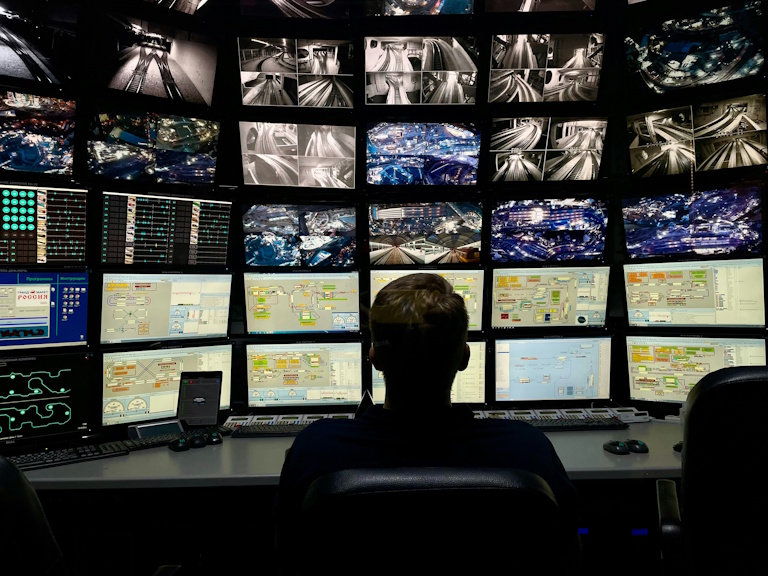
Safe Infrastructure. Reliable Services. Defensible Budgets.
Train service performance is the metric that passengers, regulators, and franchise authorities measure infrastructure managers against. But service performance is downstream of infrastructure condition, infrastructure condition is downstream of maintenance quality, and maintenance quality is downstream of having the right information, about what the asset looks like today, what possession windows are available to work on it, what resources are needed, and what it will cost to keep it within the condition band that the operating speed and traffic density require.
QBaticEPM3 closes the information gap between the asset condition survey and the maintenance work order, between the possession request and the resource plan, and between the capital renewal programme and the annual budget submission. Infrastructure managers and their delivery contractors operate from the same asset data, the same condition records, and the same forward programme, with every intervention logged, every cost captured, and every renewal cycle traceable back to the decision that initiated it.
See the Platform in Action
Infrastructure That Is Safe.
Services That Run on Time.
Ready to bring every discipline
under one maintenance programme?
Let QBaticEPM3 connect your cost models, your possession programme, and your multi-discipline maintenance teams, so every asset on the network is managed from a single, complete, and always current record.