
A road is never truly finished. The ribbon-cutting photograph captures the moment of
completion, but the asset's financial life, and the authority's obligation to it, has
only just begun. Pavement deterioration begins the day the first axle load crosses the
freshly surfaced carriageway. Drainage structures start silting. Line markings fade.
Bridge bearings compress. Embankment slopes erode. Each of these is a predictable
event. Each has a calculable cost. And each, if deferred for a budget cycle too many,
becomes a rehabilitation project that costs four to six times what timely maintenance
would have cost in the first place.
QBaticEPM3 gives road authorities, national road agencies, municipal infrastructure
departments, and the engineering consultants and contractors that serve them a single
platform to manage the complete asset lifecycle, from the detailed cost estimate that
underpins a new road or interchange project, through the construction programme that
must stay on budget despite weather delays, material supply disruptions, and design
variations, to the structured maintenance programme that determines how long the
finished asset performs at the condition standard the public expects and the
concession agreement requires.
The cost model that wins the contract, the programme that delivers it, and the maintenance plan that protects the investment, all connected in one environment, from first estimate to the final reseal thirty years down the road.
Request a DemoProject Costing & Estimation
Detailed cost models from road-specific item libraries, earthworks, pavement layers, drainage, structures, roadside furniture, and traffic management priced at current rates.
Construction Execution
Live programme management across multiple construction contracts, daily materials tracking, plant utilisation, and payment certification against measured quantities.
Maintenance & Asset Management
Routine, periodic, and emergency maintenance work orders planned against condition survey data, with forward cost modelling across the full concession or asset life.
From the Cost Model
to the Maintenance Work Order.
Three integrated capabilities that follow the road from budget submission to the resurfacing programme, keeping every cost, every decision, and every maintenance intervention connected to the asset it belongs to.
Detailed Road Project Cost Modelling
Build the full project estimate from a road-specific component library, cut and fill earthworks, subbase and base course materials, asphalt surfacing, concrete rigid pavement, drainage culverts and channels, retaining structures, bridge decks, guardrails, road markings, signage, and traffic accommodation works. Each item carries current regional unit rates, material factors, equiEPMnt productivity data, and haulage cost adjustments for site distances. The estimate is structured by chainage and construction phase so that budget submissions, funding drawdown schedules, and contract bills of quantities all flow from the same data source without re-keying.
Multi-Contract Programme Control
Major road projects are rarely a single contract. Separate packages for earthworks, structures, surfacing, and electrical works, each with their own contractor, programme, and budget, must be co-ordinated so that the civils contractor is not waiting on the structures contractor who is waiting on the specialist piling team. QBaticEPM3 holds all contract packages in one programme view, tracks daily physical progress against each approved schedule, and flags interface delays before they cascade. Payment certificates across all packages are certified against measured quantities in the same environment as the cost model that approved the contract.
Condition-Based Maintenance Planning
Road maintenance budgets are perpetually under pressure. QBaticEPM3 structures the annual maintenance programme against the condition data that justifies the spend, visual condition index scores, rutting measurements, International Roughness Index readings, and bridge inspection findings are all linked to the road sections and structures they describe. Routine maintenance, periodic resurfacing, pothole patching, drainage clearing, and emergency repairs are each planned as work orders against the specific chainage and asset, costed from the maintenance rate library, and tracked from instruction to completion with photographic records and cost actuals.
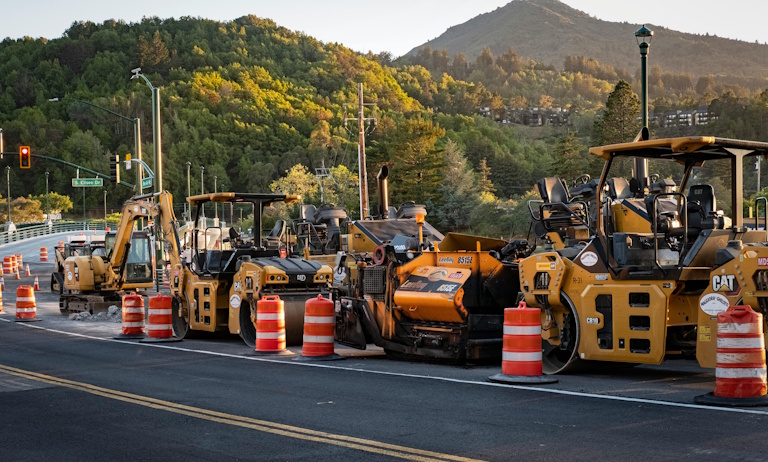
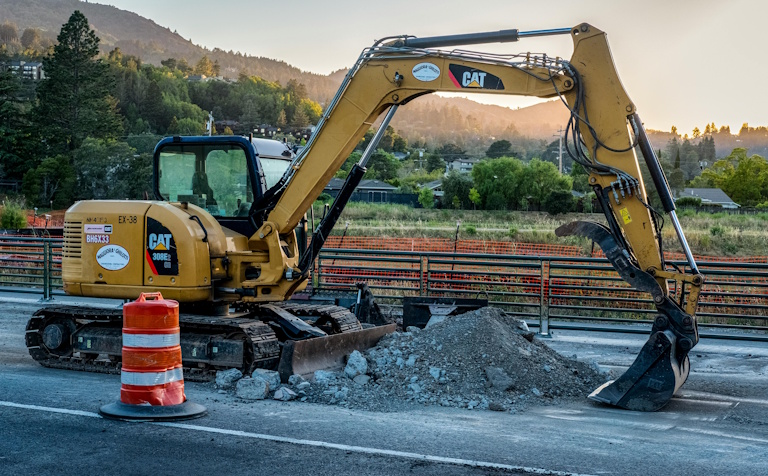 Earthworks & Pavement Layers
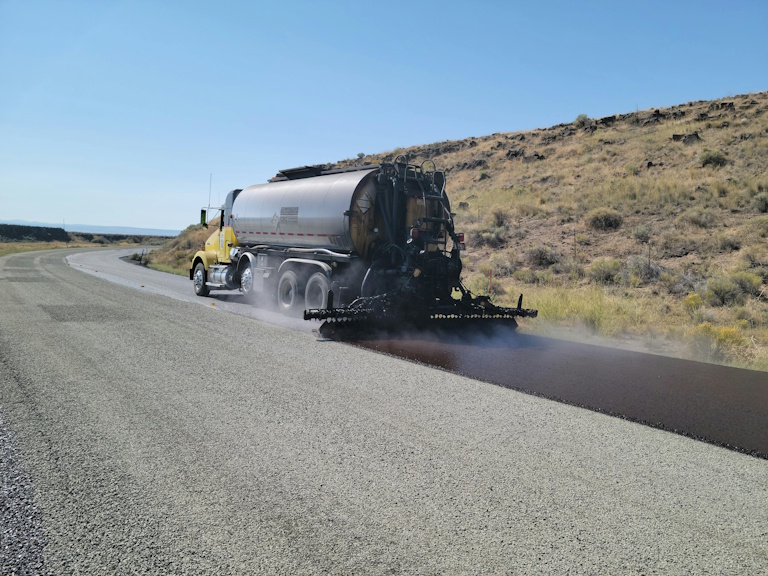 Surfacing & Structures
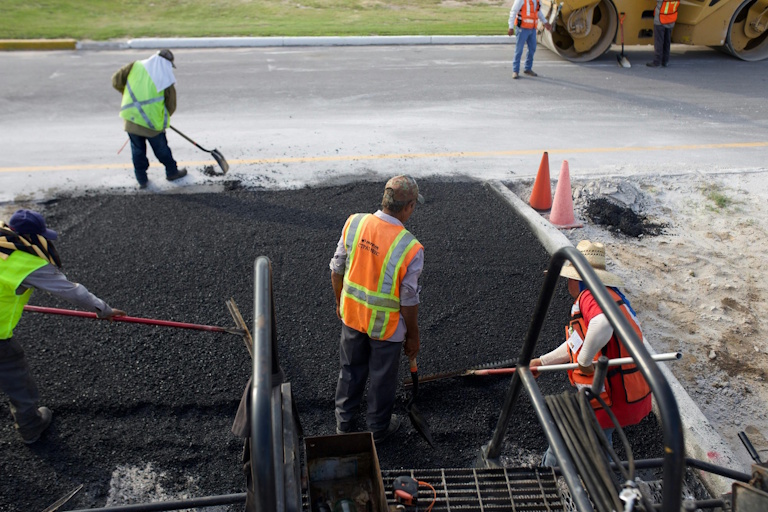 Routine & Periodic Maintenance
Maintenance Is Not a Budget Line. It Is a Programme That Needs Managing.
-
01
Asset Register Built During Construction
Every road section, bridge, culvert, retaining wall, stormwater structure, and roadside furniture item is registered as an asset in QBaticEPM3 during the construction phase, tagged with its chainage reference, material specification, construction date, and as-built geometric data. When the construction contract is closed and the maintenance period begins, the authority's maintenance team does not inherit a set of drawings and a handover report, they inherit a complete, structured asset register that becomes the foundation of every maintenance work order raised against the network for the next thirty years.
-
02
Condition Survey Integration & Deterioration Tracking
Visual inspection data, Falling Weight Deflectometer results, rut depth measurements, and bridge structural assessments are loaded against the relevant road sections and structures at each survey cycle. The system tracks pavement condition deterioration over time against the design performance model, identifying sections where the deterioration rate is exceeding expectations and where pre-emptive intervention at current costs will prevent a significantly more expensive structural rehabilitation in the next budget cycle. Maintenance prioritisation becomes data-driven, not a judgement call made under budget pressure.
-
03
Routine, Periodic, and Emergency Maintenance Work Orders
The full maintenance hierarchy, grass cutting and litter collection at monthly intervals, drainage clearing before every rainy season, pothole patching on a response-time standard, periodic resealing at the trigger condition threshold, bridge bearing replacement at the design interval, and emergency barrier repairs after incidents, is managed as a structured work order programme against the asset register. Each work order specifies the method of measurement, the approved unit rate, the material quantities, and the plant required. Actuals are captured on completion, and the maintenance cost history by section and structure is available at any time for budget reviews, concession reporting, or audit.
-
04
Long-Range Capital Maintenance Planning
Pavement resurfacing, bridge deck waterproofing, expansion joint replacement, and major drainage rehabilitation are not surprises, they are events that can be scheduled and costed years in advance from the asset condition data and design life parameters. QBaticEPM3 holds the forward capital maintenance programme across the full network, with cost projections updated each year as condition surveys are completed and unit rates are refreshed. The authority's medium-term expenditure framework submissions and concession agreement maintenance reserve drawdown plans are supported by a structured, auditable dataset, not a consultant's spreadsheet produced on request.
-
05
Contractor Performance Management
Term maintenance contracts require that the appointed contractor meets defined response times, service standards, and condition outputs across the network. QBaticEPM3 captures the instructions issued, the response time achieved, the quantities completed, and the quality inspection outcome against every maintenance event. Under-performance is identified from the data, not discovered at the annual review meeting. Payment deductions for missed standards are calculated from the measured performance record and applied to the monthly certificate with a complete audit trail, no disputes about what was or was not done, because the system captured it at the time.
Spend Less on Rehabilitation. By Spending Wisely on Maintenance.
The arithmetic of road asset management is well established: a rand spent on timely preventive maintenance eliminates four to six rands of rehabilitation cost later. The barrier to acting on that arithmetic is never technical, it is informational. Authorities defer maintenance because they cannot clearly demonstrate to Treasury which sections need attention, what the intervention will cost, what it will prevent, and what the condition will be in five years if the funding is not approved.
QBaticEPM3 provides exactly that demonstration. Condition data, deterioration projections, intervention costs, and consequence-of-deferral analysis are all in one environment, structured for budget submissions, accessible to oversight bodies, and updated every time a survey or work order is completed. The argument for maintenance funding becomes a data-supported case, not a verbal one.
See the Platform in Action
Roads That Are Built Right.
And Kept That Way.
Ready to manage your road network
with the rigour it deserves?
Let QBaticEPM3 connect your project cost models, your construction contracts, and your maintenance programme, so every kilometre of network is managed from a single, complete, up-to-date record.